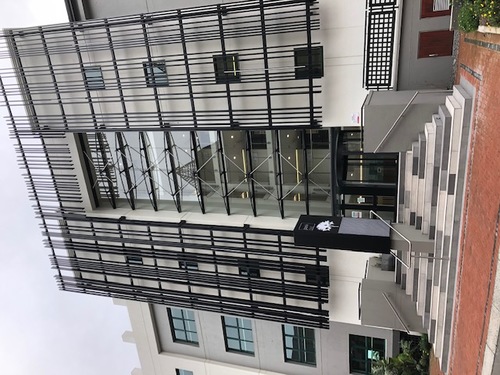
Premium Grade office space achieved rentals of R240/m² (USD: 12.97/m²) during November 2026, with available stock currently at 3 135 m². This segment continues to reflect demand for high-quality commercial property.
A Grade office space achieved rentals of R165/m² (USD: 15.41/m²), with current stock availability of 11 745 m². The sector continues to offer competitive commercial property at more accessible rental levels.
Rental figures exclude VAT.

Retail space is not currently recorded in this area, as the node is classified as non-retail with no active supply or rental activity during November 2026.
Market Activity this area shows no retail market presence at present, with no mall or street front retail stock available for analysis in this period.

Industrial space is not currently recorded in this area, as the node is classified as non-industrial with no active supply or rental activity during November 2026.
Market Activity this area shows no industrial market presence at present, with no recorded logistics, warehousing, or manufacturing stock available for analysis in this period.
Office Space to Rent in Century City: What Tenants Need to Know.
Century City sits approximately 10 km from the Cape Town CBD, just off the N1 freeway in the northern suburbs of Cape Town. It is home to over 500,000 square meters of prime commercial office space, attracting a range of industries from technology and financial services to retail and legal firms. The precinct operates as a fully integrated mixed-use environment, combining office, retail, residential, hospitality and recreation in a single managed development.
For businesses considering office space, Century City offers a clear range of building grades across several distinct sub-precincts. Office rentals range from approximately R160 per square meter per month for B-grade space to R325 per square meter for premium AAA-grade offices. Most A-grade options fall between R190 and R260 per square meter, with parking charged separately at R900 to R1,300 per bay per month.
The smallest available units in Century City are typically 100 to 130 square meters, found in buildings such as Century Square and The Matrix. Most A-grade and premium buildings offer structured basement and open bay parking, with ratios typically ranging from 4 to 5 bays per 100 square meters of rentable area. This parking ratio is a significant advantage over the Cape Town CBD and many other nodes in the metro.
Century City's office vacancy rate currently sits at approximately 2%. This means that businesses requiring large floor plates need to plan well in advance and act quickly when space becomes available. For smaller requirements, availability is broader, but well-located fitted units in popular buildings still move fast.
Century City is planned as a walkable, mixed-use precinct. Pedestrian bridges connect different parts of the node, while canal-side walkways link office, retail and residential areas. Most buildings sit within 500 meters of Canal Walk Shopping Centre, giving tenants direct access to retail, dining and services during the working day. This level of daily convenience is a meaningful factor for businesses competing to attract and retain staff.
The precinct also hosts the Century City Conference Centre, which attracts international and corporate events and reinforces Century City's position as a recognised business destination rather than simply a suburban office node. For businesses that run events, host clients or require conference facilities, having this resource within walking distance carries practical value.
The Century City Investment Case: What Landlords and Investors Should Know.
Century City is the tightest office market in Cape Town and one of the strongest performing commercial property nodes in South Africa. The case for investment here rests on three clear pillars: constrained supply, sustained demand, and recent institutional validation at the highest level.
For individual investors and landlords, this level of institutional confidence in the node is a significant signal. The office vacancy rate in Century City currently sits at approximately 2%, making it Cape Town's tightest office node. This has driven developers to resume speculative construction for the first time since before COVID-19, with all recent new developments achieving full pre-let status before completion. Junxion Park, a 12,000 square meter development completed in July 2025, was fully leased before it opened. Continuity House, at 7,785 square meters, is nearly fully let ahead of its September 2026 lease commencement date.
P-grade and A-grade rental growth in Century City is expected to continue ahead of inflation at between 8% and 12% annually through 2027, driven by a flight to quality from tenants and the sustained flow of working-age adults relocating to the Western Cape. A net influx of approximately 92,000 working-age adults to the Western Cape over the past two years is driving demand for both office space and residential accommodation across the precinct.
For landlords already holding assets in Century City, the current environment supports above-inflation rental escalations and reduced vacancy risk at lease expiry. Buildings that invest in backup power, Green Star certification, fibre connectivity and modern internal finishes consistently outperform older stock and attract tenants willing to pay a premium for operational certainty. Older B-grade buildings that upgrade their specification can achieve meaningful rental uplift and reposition to capture the high demand in the A-grade segment. For new investors assessing entry, the sub-2% vacancy rate, active institutional ownership and a constrained development pipeline make Century City one of the most defensible commercial property investments available in South Africa today.
Area Profile Century City. Century City is one of Cape Town's principal commercial and mixed-use developments, combining corporate offices, retail centres, residential accommodation, hotels and public facilities within a managed 250-hectare precinct. Century City is located approximately 10 kilometers northeast of Cape Town's Central Business District, Century City has developed into an established business district serving companies, residents, retailers and property investors. Development began in the late 1990s, transforming the area into an integrated commercial environment with modern buildings, landscaped public spaces, transport facilities and supporting infrastructure. Its position alongside the N1 highway provides access to Cape Town CBD, Milnerton, the Northern Suburbs and the wider metropolitan area.
See all Office Space to Rent in Century City
This Century City commercial property guide examines the area's location, business environment, major property precincts, office and retail markets, infrastructure, transport connections and factors relevant to commercial tenants, landlords and investors.
Century City is situated between the N1 highway and the established suburbs of Milnerton, Kensington and surrounding northern areas of Cape Town. The development is accessed primarily from Century Boulevard, Sable Road, Century Way and the surrounding road network. The precinct covers approximately 250 hectares and incorporates several distinct commercial and residential areas. Its central location between Cape Town CBD and Tyger Valley allows businesses to serve clients and employees travelling from different parts of the metropolitan area. Road connections provide access to the N1, N7 and nearby arterial routes. These are particularly relevant to corporate occupiers whose employees, customers and suppliers travel between the northern suburbs, the city centre and other business locations.
The commercial property market in Century City is characterised by a concentration of modern office buildings, business parks, retail developments, hotels and mixed-use properties. Much of the commercial stock was developed as part of a planned precinct, creating a relatively consistent standard of building design and public infrastructure. Asking rentals in Century City range from R150 to R290 per m² (November 2026), and you can see each option in our offices to rent in Century City
Century City's commercial office market comprises A-grade and premium-grade buildings, together with established commercial developments serving smaller professional businesses and larger corporate organisations. The market includes standalone corporate headquarters, multi-tenanted office buildings and office parks with a combination of cellular and open-plan accommodation. Building quality, parking provision, energy efficiency, backup infrastructure and proximity to transport facilities are important factors influencing property demand.
For investors, commercial property performance depends on building specification, tenant covenant strength, lease structures, operating expenditure and the continued competitiveness of individual properties within the precinct. Century City's established infrastructure and surrounding amenities support its position as a major commercial alternative to Cape Town CBD and other metropolitan office districts.
Century City was developed around the principle of combining commercial, residential, retail and recreational uses within one precinct. Rather than separating office buildings from residential and retail areas, the development integrates these activities through public spaces, pedestrian routes, canals and shared facilities. This mixed-use structure supports commercial activity beyond conventional office hours. Residential populations contribute to demand for restaurants, convenience retail, healthcare services and leisure facilities, while office workers support weekday trading throughout the precinct.
Major developments such as Canal Walk, the Bridgeways district and surrounding residential precincts illustrate the area's integrated planning approach. The conversion of the former Ratanga Junction amusement park site into new residential and mixed-use development also reflects the precinct's ongoing transition as land uses and market requirements change. The combination of commercial activity, residential accommodation and public amenities is an important part of Century City's long-term property market.
The Bridgeways Precinct is the commercial anchor of Century City and home to many of the precinct's most recognised office buildings, including Sable Park, Bridge Park, The Apex and Crystal Towers. It houses the Century City Conference Centre and the Marriott Crystal Towers Hotel. This precinct attracts large corporate tenants and institutional landlords, and following the GEPF acquisition it is now formally classified as an institutional-grade commercial node.
The Waterford Precinct offers a quieter, canal-side office environment with high-quality buildings including Waterford House, Waterford Place and No. 1 Waterhouse Place. It appeals to professional services firms, financial advisors and tenants who want quality space in a calmer setting with strong parking ratios and good N1 access.
The Estuaries is a well-established office park precinct along Century Way. It houses multiple mid-sized commercial buildings in a secure, landscaped environment and attracts a broad range of professional and corporate tenants. Growthpoint Properties owns several buildings here, which reflects the precinct's standing among institutional investors.
Century Gate provides a more affordable entry point into the Century City address, with A-grade space suited to small and medium businesses. It offers direct access to Bosmansdam Road and quick connections to the N7 and N1.
The Canal and Ratanga Park area is a newer zone of mixed-use development, including the recently completed Junxion Park and the upcoming Canal Plaza. This area is drawing technology and professional services firms looking for modern, new-build space in a precinct with active public amenity.
Urban Management, Security and Infrastructure
One of Century City's defining characteristics is its precinct-wide management structure. The Century City Property Owners' Association (CCPOA) is responsible for managing common infrastructure and public areas in conjunction with the City of Cape Town. Its responsibilities include landscaping, infrastructure maintenance, traffic management, environmental conservation and precinct security.
Century City operates a dedicated 24-hour Service Operations Centre that coordinates security activities and responds to incidents affecting public areas. The precinct also uses surveillance systems, patrols and monitoring technology as part of its broader management arrangements. Individual commercial developments maintain their own building access controls, parking security and tenant facilities, meaning security specifications differ between properties.
The CCPOA also manages the maintenance of canals, landscaped areas, public infrastructure and environmental facilities. For businesses and commercial property owners, this management structure provides an organised framework for maintaining shared facilities and addressing precinct-wide operational matters.
Century City is positioned alongside the N1 highway, providing connections to Cape Town CBD, Tygervalley, Goodwood, The Foreshore, Milnerton and other business districts. The precinct has a public transport interchange served by MyCiTi buses, Golden Arrow services, minibus taxis and rail connections. Century City railway station provides a connection to the wider metropolitan rail network.
MyCiTi introduced a dedicated Century City–Century City Rail route in May 2026, improving transport connections between the rail station and several destinations within the precinct. Public transport availability is an important consideration for businesses with employees travelling from multiple residential areas. The suitability of individual buildings depends partly on walking distances to transport stops and the frequency of services during working hours.
Century City also has pedestrian routes, bridges and walking paths connecting commercial buildings, residential developments and retail facilities. Private vehicle access remains important, particularly for businesses requiring client parking or accommodating employees travelling from areas with limited public transport connections.
Century City accommodates a range of industries, including financial services, insurance, information technology, telecommunications, consulting, business administration and professional services. The district has attracted both large corporate occupiers and smaller independent businesses, creating demand for different types of commercial accommodation.
Rennie Knight Frank operates across the full Cape Town Northern Suburbs market. We give you direct access to available listings, market intelligence and professional advisory support backed by the global Knight Frank network. Contact our Cape Town team to discuss your requirements.
Financial and insurance businesses benefit from modern corporate buildings, secure infrastructure and access to a metropolitan workforce. Technology and telecommunications firms are supported by established connectivity infrastructure and the availability of larger office floor plates. Consulting businesses, accounting firms, legal practices and other professional services companies also operate within the precinct, making use of the surrounding retail, hospitality and conference facilities. Century City is particularly relevant to organisations seeking a business location between Cape Town CBD and the Northern Suburbs, Stellenbosch, rather than operating exclusively from either area.
Retail forms an important part of the Century City commercial property market, with Canal Walk Shopping Centre serving as the area's principal retail destination. Canal Walk accommodates a broad mix of national retailers, international brands, restaurants, entertainment facilities, banks and service businesses. Its regional customer base extends beyond Century City itself, drawing visitors from different parts of Cape Town. Retail activity is not limited to Canal Walk. Smaller shopping facilities, ground-floor commercial units and convenience retail outlets serve the surrounding residential and office populations.
Search all retail space to rent Cape Town
The local retail market includes food and beverage outlets, convenience stores, health and fitness businesses, personal services and specialist retailers. For landlords and investors, retail property performance depends on tenant mix, customer access, visibility, trading patterns and the relationship between retail activity and surrounding residential and commercial demand. Retail premises in a major regional shopping centre operate under different commercial conditions from smaller convenience outlets located within mixed-use developments.
Century City has an established commercial investment market, comprising sectional-title offices, multi-tenanted commercial buildings, standalone office properties, retail facilities and mixed-use developments. The area's planned infrastructure and managed public environment are relevant considerations for investors assessing long-term property ownership.
However, property performance varies considerably between buildings. Older properties may require capital investment to remain competitive with newer developments, particularly where energy efficiency, backup power, air-conditioning, building finishes or common areas are concerned. Investors should assess existing lease agreements, vacancy levels, operating costs, municipal rates, maintenance obligations and the financial strength of occupying tenants.
Location within Century City also matters. Properties close to retail, public transport and other amenities may appeal to different tenant categories from buildings located in quieter office parks. For sectional-title commercial investments, body corporate management, levy structures, reserve funds and future maintenance obligations should form part of the investment assessment.
Century City incorporates landscaped public spaces, waterways and conservation areas within its wider commercial and residential development. Intaka Island is a 16-hectare wetland and bird sanctuary located within the precinct. The conservation area accommodates indigenous vegetation, birdlife and walking routes, forming part of Century City's wider environmental infrastructure.
The precinct's canal system extends for approximately eight kilometers and serves both recreational and environmental functions. The CCPOA undertakes environmental management activities that include waterway maintenance, landscaping, irrigation management and conservation work. Sustainability is also relevant to the commercial property market. Modern building specifications increasingly incorporate energy-efficient lighting, water-saving systems, improved air-conditioning technology and other measures intended to reduce operating expenditure. For occupiers and investors, sustainability performance should be assessed at individual-building level rather than assumed from the precinct's overall environmental positioning.
Century City has developed a substantial hospitality and conferencing component alongside its commercial property market. The Century City Conference Centre provides facilities for corporate conferences, meetings, exhibitions and business events. The surrounding Bridgeways precinct includes hotels, restaurants and other supporting services. Additional hospitality facilities are located near Canal Walk and across the wider development. These amenities are relevant to businesses that host visiting executives, external clients, training sessions or regular corporate events.
Century City also offers access to gyms, medical facilities, restaurants, coffee shops and landscaped outdoor spaces. The combination of business and lifestyle facilities contributes to the area's appeal as a commercial location, particularly for organisations seeking convenient services for employees and visitors.
Century City contains a broad range of established commercial properties, from corporate office parks to mixed-use buildings and larger standalone developments. The following buildings illustrate the diversity of the area's commercial property stock.
The Estuaries is an established commercial office development on Century Way, comprising several modern buildings within a landscaped business park. It forms part of Century City's broader corporate precinct and accommodates businesses requiring professional office infrastructure. The development's location provides access to the surrounding road network, established commercial facilities and the wider Century City environment. Its office-park format is relevant to organisations that value secure parking, building management and a setting separate from the busiest retail areas.
Boulevard Place is an established commercial development within Century City, accommodating businesses that require office-park accommodation close to the precinct's main transport routes. The development provides a commercial setting within reach of Canal Walk and other local business amenities. Its location is convenient for companies whose employees and clients travel between Century City, Milnerton and the surrounding northern suburbs.
The Colosseum is a prominent mixed-use building positioned within Century City's central commercial district. It incorporates office accommodation alongside hospitality and supporting retail facilities. The building's location near Canal Walk and Century Boulevard provides access to surrounding commercial services, restaurants and transport connections. Its mixed-use character makes it a recognisable property within the wider precinct.
Centennial Place is a modern corporate office development along Century Boulevard. The building forms part of Century City's established commercial stock and accommodates companies requiring contemporary office infrastructure. Its position provides access to the main road network and nearby amenities, while its scale makes it relevant to larger corporate occupiers and businesses requiring substantial accommodation.
The Forum is an established commercial office building within Century City, with accommodation suited to professional services businesses and corporate occupiers. Located on North Bank Lane, it provides a business environment with access to the precinct's transport routes, retail facilities and surrounding commercial developments.
Century Square is a commercial office development accommodating a range of smaller and medium-sized business occupiers. Its multi-tenanted format provides an alternative to larger standalone corporate buildings. The development is relevant to professional practices, service businesses and established companies seeking a Century City address within an office-park environment.
The Pavilion is situated within Century City's commercial precinct and forms part of the area's established office stock. It provides accommodation in a landscaped business environment with access to surrounding residential, retail and commercial facilities. The building contributes to the variety of property types available across Century City, particularly for businesses seeking premises outside the major corporate towers.
Businesses considering Century City should assess the precinct in relation to their operational requirements, staffing profile and client base. Its position between Cape Town CBD and the Northern Suburbs is a significant consideration, particularly for companies employing staff from a broad metropolitan catchment area. Individual commercial buildings differ in parking provision, infrastructure, public transport access and operating expenditure. A building's location within the precinct can affect commuting arrangements and access to nearby amenities.
For occupiers comparing Century City with other Cape Town business districts, the main factors are likely to include property quality, location, total occupancy costs, transport connections and the ability to accommodate future business requirements.
For landlords, Century City's established commercial environment provides access to a diverse market of potential occupiers. However, competition between buildings means that property condition, rental positioning and building services remain important. Properties that are well maintained and have reliable infrastructure are generally better placed to compete for established corporate tenants.
Landlords should regularly assess building operating costs, vacancy exposure, lease expiry profiles and the capital expenditure required to keep properties commercially relevant. Investors should distinguish between precinct-level advantages and the performance of an individual asset. A well-managed location does not eliminate the financial and operational risks associated with property ownership.
Century City is a 250-hectare mixed-use commercial and residential precinct in Cape Town. It is known for Canal Walk Shopping Centre, modern corporate office buildings, hotels, conference facilities, managed public infrastructure and landscaped waterways.
Yes. Century City is an established commercial node with numerous office buildings, business parks, retail facilities and corporate occupiers. It serves businesses operating across Cape Town and provides an alternative to traditional commercial centres such as Cape Town CBD and Bellville.
The Century City Property Owners' Association manages the precinct's common areas, security coordination, environmental facilities and shared infrastructure in conjunction with the City of Cape Town. Individual property owners remain responsible for their own buildings and developments.
Century City contains corporate office buildings, sectional-title commercial offices, business parks, retail centres, mixed-use developments and selected showroom and light-industrial properties. The composition varies between its different commercial precincts.
Century City is served by MyCiTi, Golden Arrow, minibus taxis and rail services. The precinct also has an internal road and pedestrian network connecting major commercial areas with public transport facilities.
Century City accommodates several large corporate office buildings and standalone commercial properties. Its location, infrastructure and amenities make it a relevant option for companies assessing headquarters or regional office requirements in Cape Town.
Century City has an established commercial investment market. Suitability depends on the individual property, purchase price, rental income, vacancy profile, operating expenditure, building condition and future capital requirements. Precinct management and location are positive considerations but do not guarantee investment performance.
Cape Town CBD offers a traditional city-centre environment with government institutions, financial and legal services, public transport connections and a broad mix of commercial building types. Century City offers a more extensively planned office-park and mixed-use environment, with managed public infrastructure, structured parking and convenient access to the N1. The preferred location depends on a business's workforce, clients, transport needs and accommodation requirements.
The principal areas include Century Boulevard, Bridgeways, The Estuaries, Central Park, Century Gate and the Waterford commercial developments. Each contains different combinations of office, retail, residential or other commercial uses.
Century City provides a substantial concentration of modern commercial accommodation outside Cape Town CBD. Its mixture of corporate buildings, retail, hospitality, residential development and supporting infrastructure makes it an important business district within the broader Cape Town metropolitan economy.
Area information reviewed November 2026. Commercial property availability, building specifications and market conditions are subject to change.

Direct marketing and distribution to our vast broker network.

Securing the best possible terms with new tenants and managing renewals.

Handling the entire process from lease preparation to deposit collection.
Please enter your email address below. Once submitted, you will receive your requested report as an attachment via email.
Call us to discuss your requirements - we're awaiting your call.


Search Knight Frank SA: You can't beat local passion backed by global support.